
Exterior paint rarely fails because of the paint. It fails because of what was underneath it, and the reasons are few enough to list.
It went on over something dirty
Siding collects a film of dust, pollen, chalked-off old paint and, on shaded elevations, a layer of biological growth. Paint bonds to that film rather than to the building, and the film is not attached to anything.
Washing is not a courtesy step. We power wash and treat surfaces with TSP so there is something clean for the new coat to hold on to.
It went on over something loose
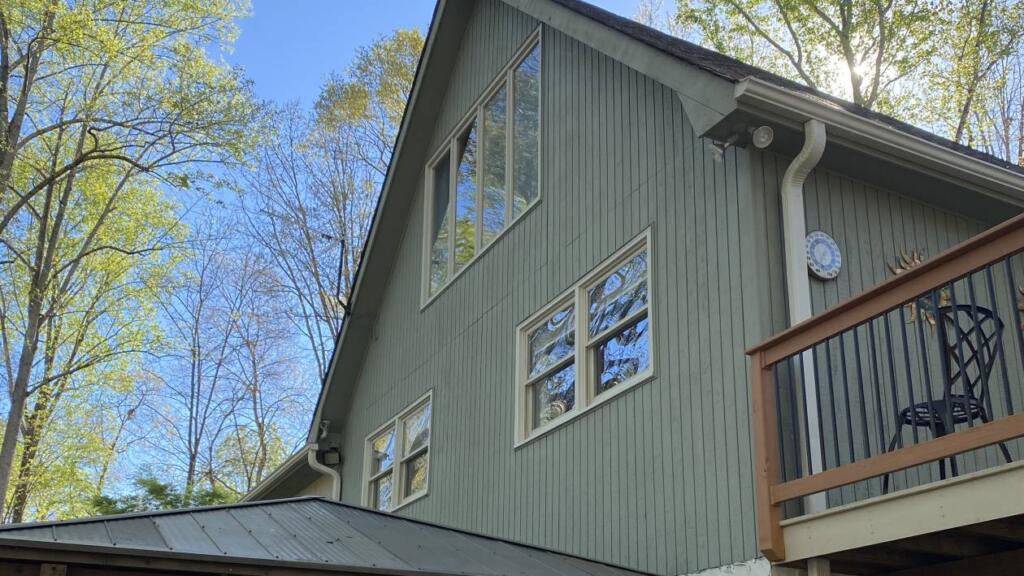
A new coat is only as attached as the coat beneath it. Anything flaking, blistered or lifting comes off with a scraper first, and the edges are sanded so the transition does not telegraph through the finish.
Water got in at a joint
This is the one that costs real money, because it stops being a paint problem and becomes a timber problem. Exposed wood gets primed, and gaps get caulked: around trim, at butt joints, where two materials meet.
It is the most-skipped step on an exterior, and it is invisible in a photograph of a finished job, which is presumably why.
It was rushed between coats
Recoating before the first coat has properly dried traps solvent underneath and gives you a soft film that marks easily and wears early. Drying times are on the tin for a reason, and weather changes them.
What to ask a contractor
Not which brand they use. Ask what they do before they open it, in what order, and what happens if they find rot at the bottom of a piece of trim. The answers to those three questions tell you most of what the job will be worth.