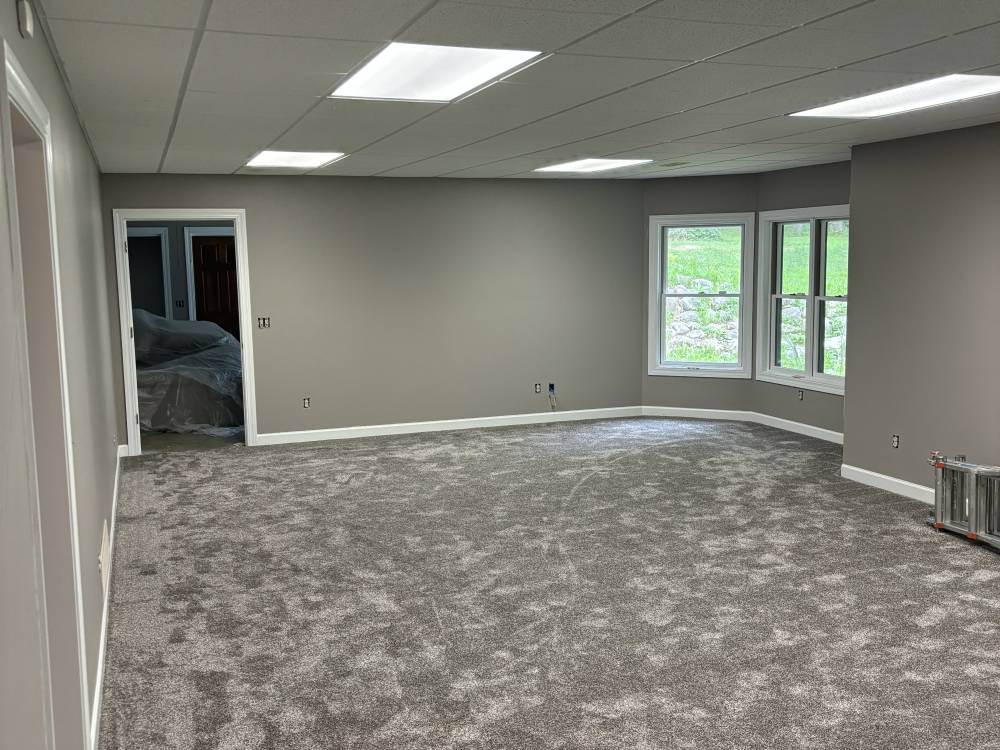
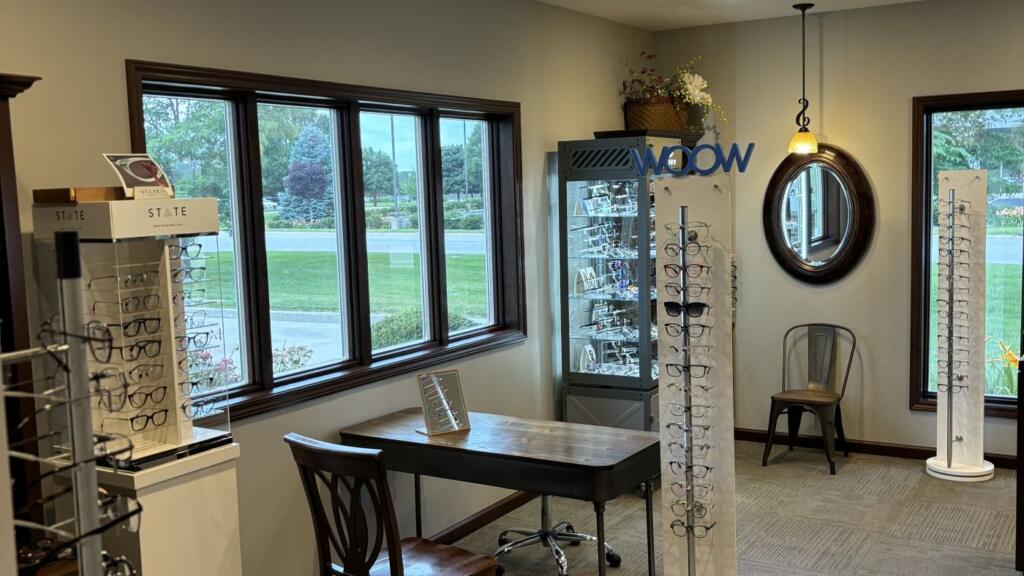
Painting for commercial buildings in South Bend, Mishawaka, Granger, Osceola and Roseland. Offices and suites, units and warehouses, common areas, and metal buildings inside and out.
The building has to keep working
That is the whole difference between a commercial job and a house. A homeowner can live around an open room for a week. A business usually cannot close the door people walk through, stop the loading bay, or take a floor of offices out of use because the walls are being painted.
So the sequence is planned before anything is opened: which areas come out of use and when, which doors have to stay usable throughout, what has to be finished and dry before Monday morning. Evening and weekend work is often the answer, and it is a scheduling decision worth making at the estimate rather than discovering halfway through.
You will get a plan with dates on it, and if something moves you hear it from us rather than finding out when nobody turns up.
What we paint
- Interiors. Offices, meeting rooms, corridors, stairwells, break rooms, restrooms and retail floors. Walls, ceilings, doors, frames and trim.
- Exteriors. Siding and cladding, soffit and fascia, trim, doors and frames, railings, bollards and signage surrounds.
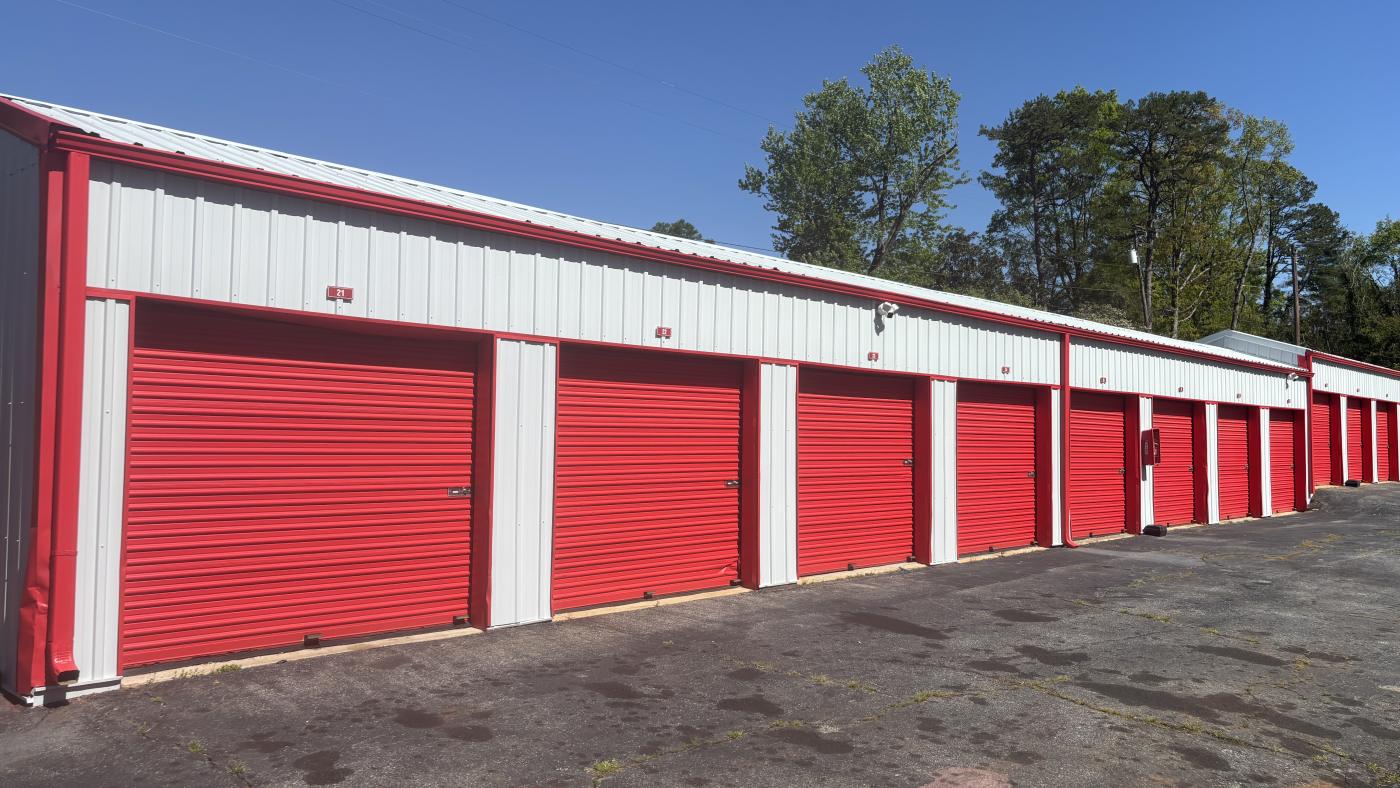
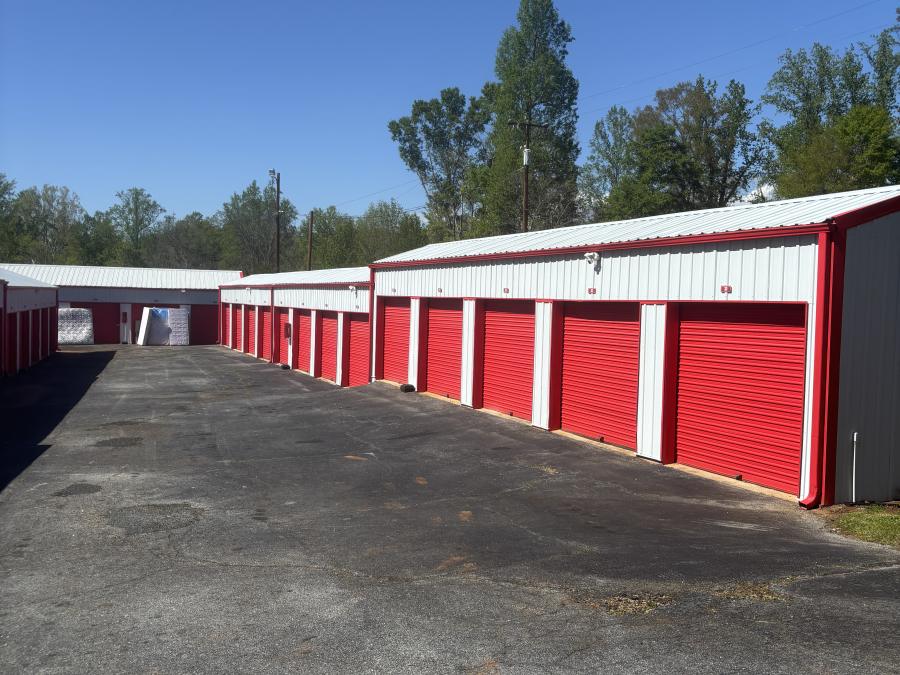
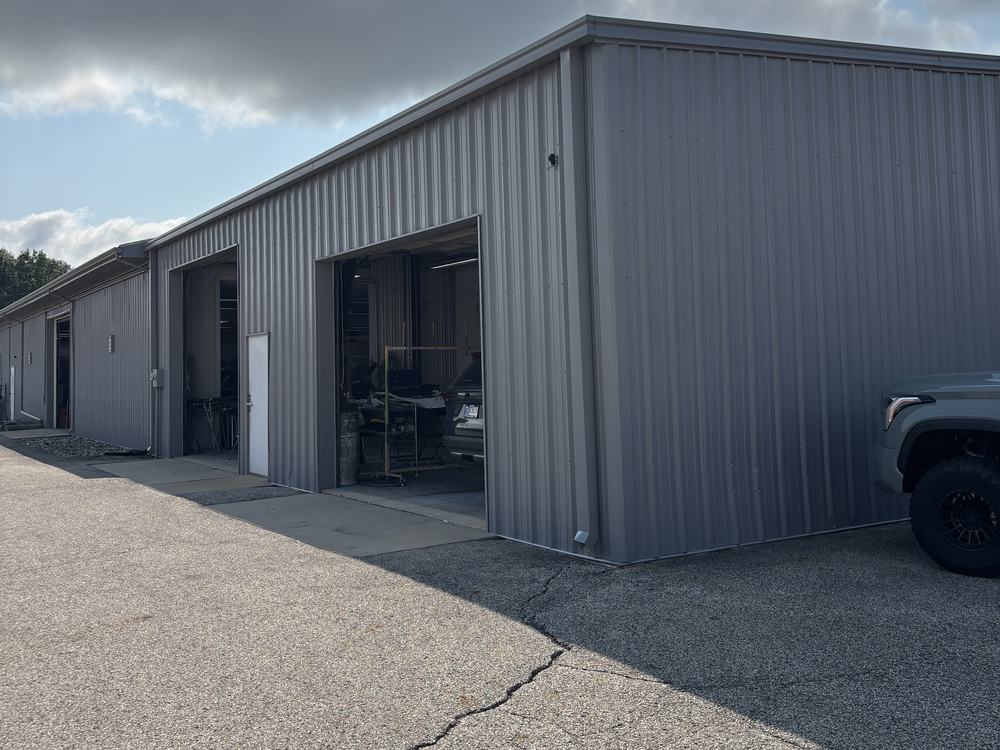
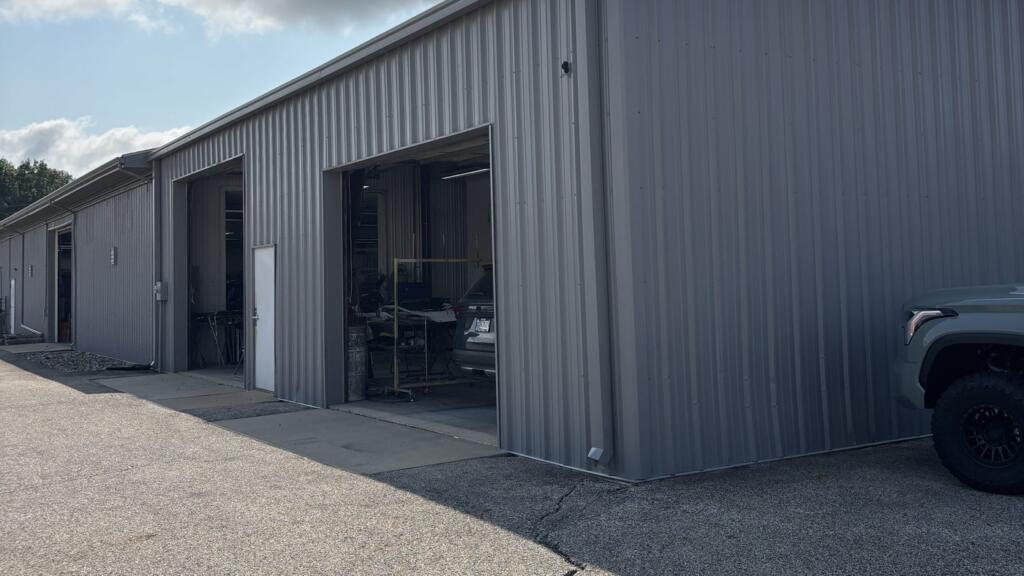
- Metal buildings. Elevations, roller doors and personnel doors, and the trim around both.
- Multi-unit and rental property. Turnovers, common areas, hallways and stairwells, where the same specification has to repeat across units and look the same in all of them.
Commercial surfaces we paint
Commercial buildings hold a wider range of substrates than a house does, and each wants a different answer. Concrete block wants a filler coat before anything decorative, or the finish sinks into the texture and looks patchy where it did not. Metal wants the right primer for whether it is galvanized, previously coated or bare, and galvanized in particular will shed a coating that was never meant for it.
Corridors, stairwells and anywhere carts and shoulders make contact want a finish chosen for cleaning rather than for looks alone. A wall that gets wiped weekly and a wall nobody touches are not the same specification, and pretending they are is how a corridor looks tired six months after it was painted.
We use Sherwin-Williams products, and we will tell you at the estimate what we would put on each surface and why.
Working around people
Occupied buildings have their own set of considerations that never come up in an empty house: where the equipment can be staged overnight, which routes stay clear, what has to be masked because it cannot be moved, and how the area is left at the end of each shift so the building looks presentable in the morning even though the job is not finished.
Odor and drying time matter more here too, because the people who will smell it are at work rather than able to go out for the afternoon. Low-odor products exist and are worth choosing for occupied interiors; ventilation and timing do the rest.
If your building has site rules, access procedures or insurance requirements for contractors, tell us at the estimate. It is far easier to work to them from the start than to find out about them on the first morning.
What affects the price
Area, ceiling height and access, which together decide how much of the job needs lifts or scaffold rather than ladders. The condition of what is there now and how much preparation it needs. The substrates involved, because block, metal and drywall are three different jobs. The specification, particularly where a washable or high-traffic finish is called for. And the hours: work that has to happen outside business hours costs more than the same work in the middle of a Tuesday, and it is often worth it.
The estimate is free and carries no obligation, and for a commercial building it is worth doing in person: square footage on a plan does not tell you what the walls are actually like.
Request an estimate, or see interior painting in South Bend and exterior painting in South Bend. You can also see our South Bend projects or everything we do in South Bend.